
TMJ Problems and Face Masks
Since the onset of the COVID-19 pandemic, stress levels among the population have risen, which could explain the increase in temporomandibulair joint (TMJ) symptoms. Are these issues caused by wearing face masks since the start of the pandemic, or is the cause something else?
To date, there has not been sufficient research into whether wearing face masks increases the risk of temporomandibular joint (TMJ) problems to provide a definitive answer.
What researchers do agree on is that stress is a major contributing factor to this issue.
When people are under stress, they tend to clench and/or grind their teeth more. This puts strain on the temporomandibular joint, which can lead to pain and discomfort, such as headaches, earaches, a clicking jaw, or pain in the teeth. Since the onset of the COVID-19 pandemic, stress levels among the population have risen, which has contributed to the increase in
could explain temporomandibular joint (TMJ) symptoms.
Do you notice that you’re experiencing these symptoms? If so, talk to your dentist or dental hygienist.
What can you do yourself?
Do you notice that you clench your teeth during the day? If so, place your tongue between your teeth at those moments to break the habit. Try to keep your mouth in a relaxed position as often as possible. That means: your tongue rests against the roof of your mouth, your lips are closed, and your teeth aren’t touching.

Bad breath or halitosis: how can you prevent it?
If you think your breath smells bad, that might not actually be the case. That’s because you can’t really smell your own breath. After a while, you get used to certain smells and stop noticing them. Think about the laundry detergent or perfume you use. You won’t notice it yourself anymore, but the people around you will let you know that you smell nice.
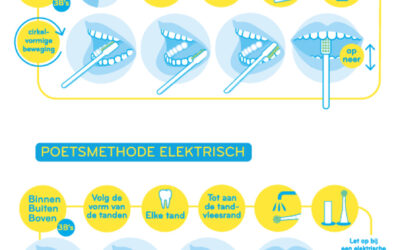
Electric or manual polishing? Which is better?
Regardless of the type of toothbrush you choose, it is crucial to brush twice a day for two minutes using fluoride toothpaste, and to combine brushing with daily interdental cleaning (cleaning between the teeth) for optimal oral care. It is also important to brush properly.

What is the difference between a dentist, a dental hygienist, and a dental assistant?
A dental hygienist works in the preventive field of dentistry and is dedicated to preventing dental problems. He or she can develop a preventive oral care plan that includes the necessary advice and information on topics such as oral hygiene
A question or
are you at a
loss for words?
Please feel free to contact us - we’d be happy to help!
info@demondhygienist.be
General information for
the general public about
this profession.
