

What is the difference between:
Dentist – Dental Hygienist – Dental Assistant?
A dental hygienist works in the preventive field of dentistry and is dedicated to preventing dental problems. He or she can develop a preventive oral care plan that includes advice and information on topics such as oral hygiene, nutrition, and harmful habits, guiding you toward achieving healthy teeth and preventing problems.
Under the dentist’s supervision, the dental hygienist can perform other tasks such as removing tartar and stains, smoothing grooves in molars, taking X-rays and dental impressions, and much more. The dental hygienist program is a three-year bachelor’s degree program.
By working with a dental hygienist, the dentist can focus primarily on resolving or treating dental problems. He or she identifies issues, develops a treatment plan, and either treats the patient or refers them to a dental specialist if deemed necessary. Dental school is a six-year university program.
A dental assistant performs a variety of support tasks. For example, they assist the dentist or dental hygienist at the chairside, perform administrative tasks such as administering questionnaires and scheduling appointments, and carry out the sterilization process for materials. By law, a dental assistant is not permitted to work inside a patient’s mouth. They may provide brushing instructions, but these may not be demonstrated inside the patient’s mouth. To earn a certificate as a dental assistant, you can take a one-year course.
These three professionals are all bound by professional confidentiality. This oral health care team is committed to providing you with the best possible care and guidance to help you achieve good oral health and keep your natural teeth for life.

Bad breath or halitosis: how can you prevent it?
If you think your breath smells bad, that might not actually be the case. That’s because you can’t really smell your own breath. After a while, you get used to certain smells and stop noticing them. Think about the laundry detergent or perfume you use. You won’t notice it yourself anymore, but the people around you will let you know that you smell nice.
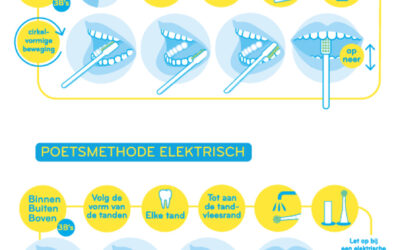
Electric or manual polishing? Which is better?
Regardless of the type of toothbrush you choose, it is crucial to brush twice a day for two minutes using fluoride toothpaste, and to combine brushing with daily interdental cleaning (cleaning between the teeth) for optimal oral care. It is also important to brush properly.
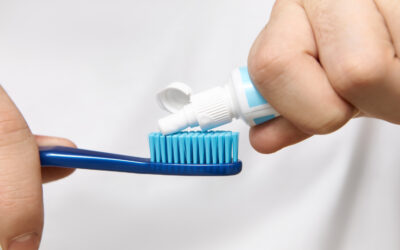
A manual toothbrush
We’ve all been there: you’re standing in the store in front of the oral care aisle and see a whole range of toothpastes, toothbrushes, and so much more… These days, there’s such a wide variety of products that
A question or a
are you
full of teeth?
Please feel free to contact us - we’d be happy to help!

info@demondhygienist.be
General information:
for the general public;
about this profession.
