

Bad breath or halitosis:
how to prevent it?
The first question you should ask yourself is:
- Do you think your breath smells?
- Do the people around you think you have bad breath?
If you think your breath smells bad, that might not actually be the case. That’s because you can’t really smell your own breath. After a while, you get used to certain smells and stop noticing them. Think about the laundry detergent or perfume you use. You won’t notice it yourself anymore, but the people around you will let you know that you smell nice.
If the people around you notice your breath, keep reading.
Halitosis, commonly known as bad breath, can be caused by a variety of factors. Here are some tips to help prevent and reduce halitosis:
- Practice good oral hygiene: Brush your teeth twice a day with fluoride toothpaste. Also, be sure to floss to remove food particles and plaque from between your teeth that you can’t reach with a toothbrush
- Clean your tongue: Bacteria can build up on the surface of your tongue, contributing to bad breath. Use a tongue scraper or your toothbrush to gently clean your tongue regularly.
- You can temporarily rinse with mouthwash: use alcohol-free mouthwash. Mouthwash containing alcohol will dry out your mouth even more.
- Stay hydrated: Drinking enough water helps keep your mouth moist and prevents dry mouth, which can lead to bad breath. Water also helps rinse away food particles and bacteria.
- Limit certain foods: Avoid foods that can contribute to bad breath, such as onions, garlic, and spicy foods. These foods can release strong odors that linger in your mouth and digestive system.
- Avoid tobacco and alcohol: Smoking and drinking alcohol can contribute to bad breath. They can also dry out your mouth, creating an environment where bacteria can thrive.
- Eat a balanced diet: make sure to eat plenty of fruits and vegetables. These foods can stimulate saliva production, which helps wash away bacteria and food particles.
- Visit your dental hygienist or dentist every six months: Regular dental checkups and cleanings can help identify and treat oral health issues that may cause bad breath.
Chronic bad breath can be a sign of underlying health issues, such as gum disease (periodontitis) or breathing problems (mouth breathing)
Don’t hesitate to talk to your dental hygienist or dentist about this.
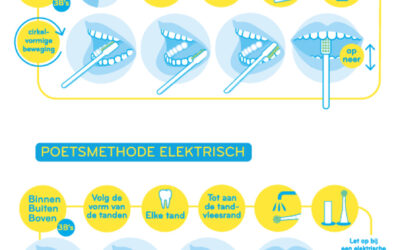
Electric or manual polishing? Which is better?
Regardless of the type of toothbrush you choose, it is crucial to brush twice a day for two minutes using fluoride toothpaste, and to combine brushing with daily interdental cleaning (cleaning between the teeth) for optimal oral care. It is also important to brush properly.

What is the difference between a dentist, a dental hygienist, and a dental assistant?
A dental hygienist works in the preventive field of dentistry and is dedicated to preventing dental problems. He or she can develop a preventive oral care plan that includes the necessary advice and information on topics such as oral hygiene
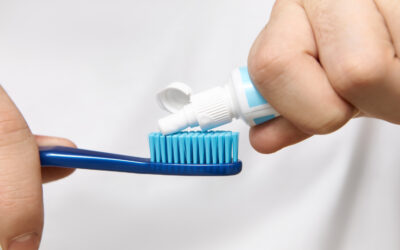
A manual toothbrush
We’ve all been there: you’re standing in the store in front of the oral care aisle and see a whole range of toothpastes, toothbrushes, and so much more… These days, there’s such a wide variety of products that
A question or
are you at a
loss for words?
Please feel free to contact us - we’d be happy to help!

info@demondhygienist.be
General information for
the general public about
this profession.
