

Bottle-feeding and cavities
Bottle caries refers to cavities in the baby teeth of infants and toddlers. They are caused by sugar in the diet. Bacteria in the mouth convert these sugars into acids, which in turn erode the tooth enamel. The most common cause of bottle tooth decay is bottle feeding. When young children go to sleep with a bottle, the sugars and acids have the entire night to erode the tooth enamel.
Tips for preventing baby bottle tooth decay:
- Avoid giving sugar to young children. Don’t add it to their food, and don’t dip their pacifier in sweeteners (such as honey or jam).
- Limit your child's intake of acidic beverages such as fruit juice or soda, and offer water or unsweetened milk instead.
- Limit the number of meals and snacks.
- Only bring water to bed.
- Start brushing your child’s teeth with fluoride toothpaste as soon as the first baby tooth comes in. Be sure to brush their teeth before bedtime so your child can go to sleep with a clean mouth.
- It’s best to schedule a visit to the dentist and/or dental hygienist every six months starting at age two. However, the earlier the first visit, the easier it will be for the child to get used to it.
If you have any questions or would like more information, please contact your dentist or dental hygienist.

Bad breath or halitosis: how can you prevent it?
If you think your breath smells bad, that might not actually be the case. That’s because you can’t really smell your own breath. After a while, you get used to certain smells and stop noticing them. Think about the laundry detergent or perfume you use. You won’t notice it yourself anymore, but the people around you will let you know that you smell nice.
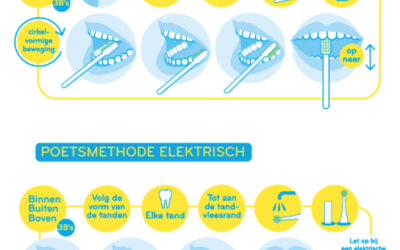
Electric or manual polishing? Which is better?
Regardless of the type of toothbrush you choose, it is crucial to brush twice a day for two minutes using fluoride toothpaste, and to combine brushing with daily interdental cleaning (cleaning between the teeth) for optimal oral care. It is also important to brush properly.

What is the difference between a dentist, a dental hygienist, and a dental assistant?
A dental hygienist works in the preventive field of dentistry and is dedicated to preventing dental problems. He or she can develop a preventive oral care plan that includes the necessary advice and information on topics such as oral hygiene
A question or
are you at a
loss for words?
Please feel free to contact us - we’d be happy to help!

info@demondhygienist.be
General information for
the general public about
this profession.
